

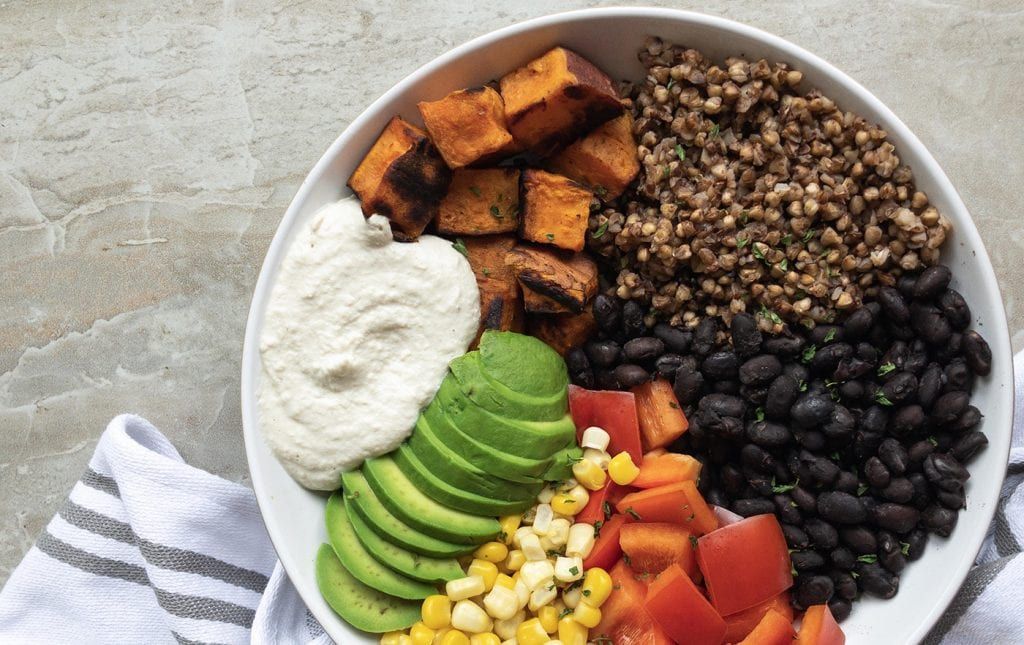
Athletes are constantly seeking ways to optimize their performance, and one trend that has gained popularity in recent years is the adoption of a vegan diet. While many people may associate a vegan diet with being restrictive or lacking in essential nutrients, when properly planned, a vegan diet can provide all the nutrients necessary for athletes to perform at their best. In this article, we will explore what athletes need to know about following a vegan diet to support their athletic endeavors.
The Benefits of a Vegan Diet for Athletes
There are several reasons why athletes may choose to follow a vegan diet. One of the primary benefits is the potential for improved recovery and reduced inflammation. Plant-based foods are typically rich in antioxidants, which can help to combat oxidative stress and reduce inflammation in the body. This can be particularly beneficial for athletes who engage in intense training or competition, as it may help to speed up recovery times and reduce the risk of injury.
In addition to improved recovery, a vegan diet can also provide a wide range of essential nutrients that are important for athletic performance. Plant-based foods are rich in vitamins, minerals, and phytonutrients that can support overall health and wellbeing. By including a variety of fruits, vegetables, whole grains, nuts, seeds, and legumes in their diet, athletes can ensure that they are getting all the nutrients they need to perform at their best.
Key Nutrients for Vegan Athletes
While a vegan diet can provide all the necessary nutrients for athletes, there are a few key nutrients that vegan athletes should pay particular attention to. These include:
Protein: Protein is essential for muscle repair and growth, and vegan athletes can easily meet their protein needs by including sources such as beans, lentils, tofu, tempeh, nuts, seeds, and whole grains in their diet.
Iron: Iron is important for oxygen transport in the blood, and vegan athletes can get iron from sources such as leafy green vegetables, lentils, chickpeas, and fortified foods.
Calcium: Calcium is important for bone health, and vegan athletes can get calcium from sources such as fortified plant milks, tofu, almonds, and leafy green vegetables.
Vitamin B12: Vitamin B12 is important for nerve function and energy production, and vegan athletes can get vitamin B12 from fortified foods or supplements.
Tips for Following a Vegan Diet as an Athlete
For athletes looking to adopt a vegan diet, there are a few tips to keep in mind to ensure that they are getting all the necessary nutrients for optimal performance:
Plan your meals: Take the time to plan out your meals and snacks to ensure that you are getting a variety of nutrient-rich foods throughout the day.
Include a variety of foods: Aim to include a wide range of fruits, vegetables, whole grains, nuts, seeds, and legumes in your diet to ensure that you are getting all the necessary nutrients.
Consider supplementation: Depending on your individual needs, you may benefit from supplementing with vitamin B12, vitamin D, omega-3 fatty acids, or other nutrients that may be lacking in a vegan diet.
Work with a professional: If you have specific dietary concerns or are unsure about how to properly plan a vegan diet, consider working with a registered dietitian or nutritionist who can help you create a balanced eating plan.
Conclusion
In conclusion, a vegan diet can be a viable option for athletes looking to optimize their performance and support their overall health and wellbeing. By carefully planning their meals, including a variety of nutrient-rich foods, and paying attention to key nutrients, vegan athletes can ensure that they are getting all the necessary nutrients to perform at their best. Whether you are a competitive athlete or just looking to improve your fitness, a well-planned vegan diet can provide all the nutrients you need to thrive.