

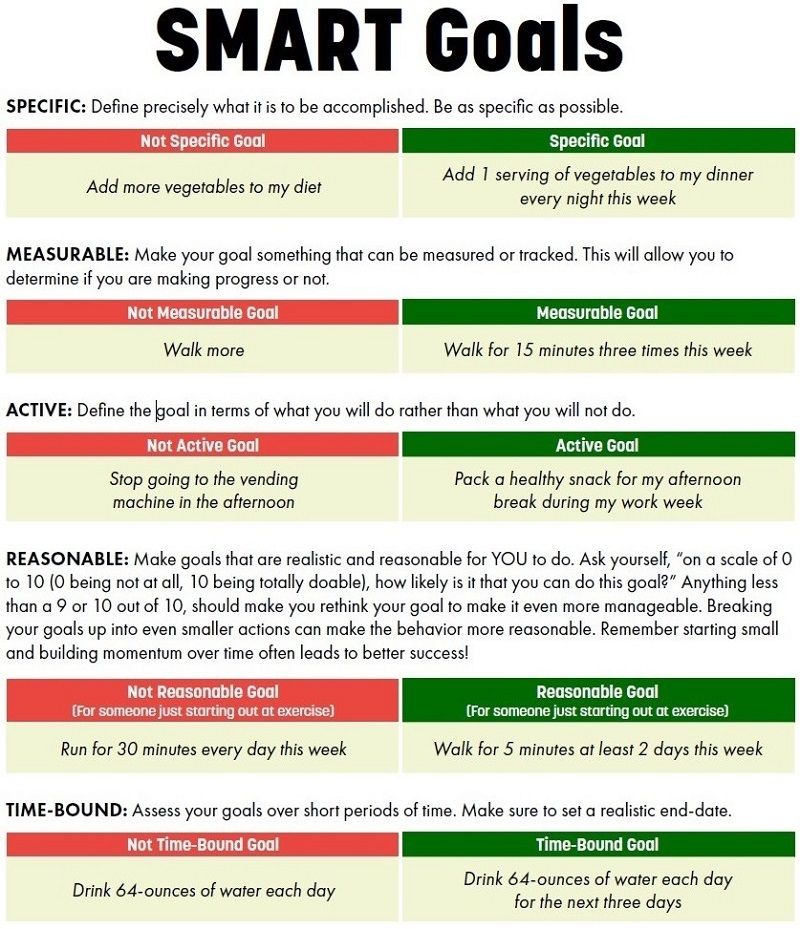
When it comes to weight loss, it’s essential to set realistic and attainable goals. While it’s tempting to strive for rapid results, taking a slower and steady approach is often more sustainable in the long run. Setting realistic weight loss goals can help you stay motivated and committed to your journey. Instead of aiming to lose a significant amount of weight in a short period, focus on setting smaller and achievable goals that you can work towards over time.
Creating a Plan
Once you have set your weight loss goals, it’s crucial to create a plan that will help you achieve them. This plan should include a healthy and balanced diet, regular exercise, and lifestyle changes that support your weight loss journey. Consulting with a healthcare professional or a nutritionist can help you create a personalized plan that fits your needs and goals.
Eating a Balanced Diet
Eating a balanced diet is key to achieving your weight loss goals. Focus on incorporating a variety of fruits, vegetables, whole grains, lean proteins, and healthy fats into your meals. Avoiding highly processed foods, sugary snacks, and excessive amounts of alcohol can also help support your weight loss efforts. Remember, it’s essential to listen to your body’s hunger cues and eat mindfully to prevent overeating.
Staying Active
In addition to following a healthy diet, staying active is crucial for weight loss. Aim to incorporate both cardiovascular exercise, such as running or cycling, and strength training into your routine. Regular physical activity not only helps you burn calories but also improves your overall health and well-being. Finding activities that you enjoy can make it easier to stay consistent and motivated.
Practicing Mindfulness
Practicing mindfulness can also support your weight loss journey. Being mindful of your eating habits, emotions, and triggers can help you develop a healthier relationship with food and make more conscious choices. Mindful eating involves paying attention to the taste, texture, and sensation of food, as well as your hunger and fullness cues. By being present and tuned into your body, you can make more informed decisions about what and how much to eat.
Seeking Support
Weight loss can be challenging, and it’s essential to seek support from friends, family, or a support group. Having a strong support system can help you stay accountable, motivated, and encouraged throughout your journey. Sharing your goals and progress with others can also provide you with valuable feedback, advice, and inspiration to keep going, even when faced with setbacks.
Tracking Your Progress
Tracking your progress can help you stay on course and motivated towards your weight loss goals. Whether you keep a food journal, use a fitness app, or take regular measurements, monitoring your progress can help you see how far you have come and where you still need to go. Celebrate your achievements, no matter how small, and learn from your setbacks to adjust your plan as needed.
Conclusion
Setting realistic weight loss goals and creating a plan to achieve them is essential for success. By focusing on small, attainable goals, eating a balanced diet, staying active, practicing mindfulness, seeking support, and tracking your progress, you can make meaningful and lasting changes to your health and well-being. Remember, weight loss is a journey, not a destination, so be patient, kind to yourself, and stay committed to your goals. With dedication and perseverance, you can achieve the results you desire and live a healthier, happier life.
By following these guidelines, you can set yourself up for success in achieving your weight loss goals. Remember, it’s not about achieving quick results, but about making sustainable lifestyle changes that will benefit your overall health and well-being in the long run. Good luck on your weight loss journey!